

Understanding Depression Screening: When and How to Take a Depression Test
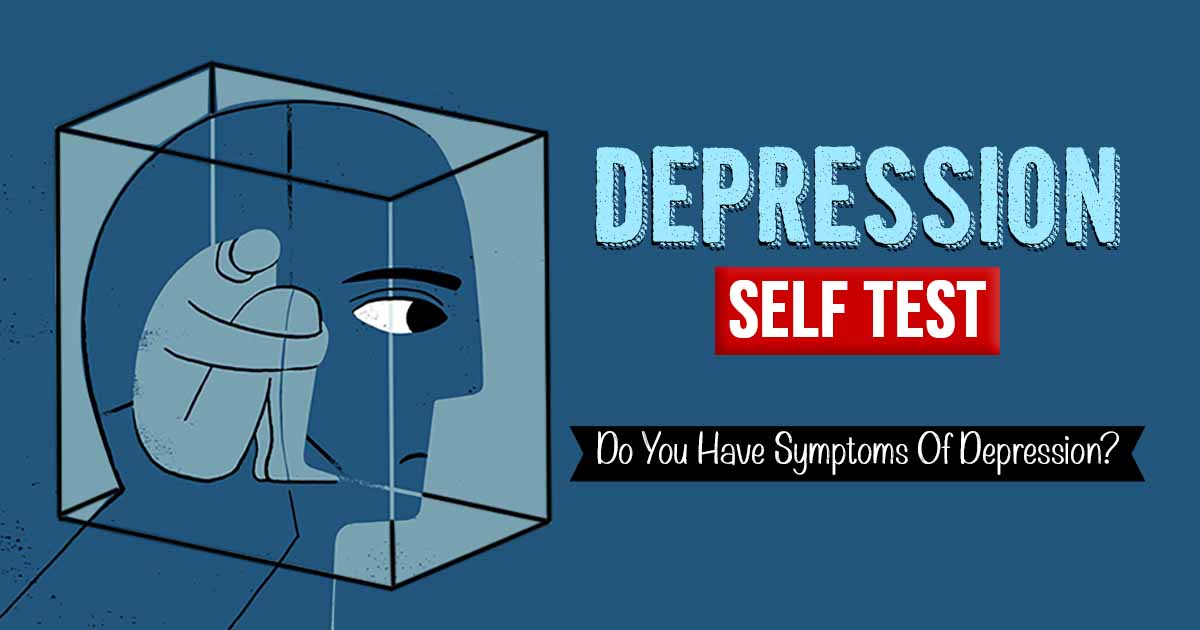
Depression screening tools can provide valuable insights, but understanding when and how to use them is crucial for your mental health journey.
What Is a Depression Test?
A depression test, also known as a depression screening tool or assessment, is a standardized questionnaire designed to help identify symptoms of depression. These tools don't provide a definitive diagnosis but can indicate whether your symptoms align with those commonly associated with depressive disorders. Healthcare professionals use various screening instruments to evaluate the severity and frequency of depressive symptoms.
The most widely used depression screening tools include the Patient Health Questionnaire-9 (PHQ-9), the Beck Depression Inventory (BDI), and the Hamilton Depression Rating Scale. Each tool focuses on different aspects of depression, from mood changes and sleep disturbances to feelings of worthlessness and thoughts of self-harm.
Recognizing When You Might Need Depression Screening
Depression affects millions of Americans, yet many people struggle to recognize when their feelings go beyond normal sadness or stress. Consider taking a depression assessment if you've experienced several of the following symptoms for more than two weeks:
- Persistent feelings of sadness, emptiness, or hopelessness
- Loss of interest or pleasure in activities you previously enjoyed
- Significant changes in appetite or weight
- Sleep disturbances, including insomnia or sleeping too much
- Fatigue or decreased energy levels
- Difficulty concentrating or making decisions
- Feelings of guilt, worthlessness, or excessive self-blame
- Physical symptoms like headaches or digestive issues without clear medical cause
It's important to remember that everyone experiences occasional low moods, but depression involves persistent symptoms that interfere with daily functioning. If these feelings are affecting your work, relationships, or overall quality of life, screening tools can help you better understand your mental state.
Types of Depression Screening Tools Available
Several validated depression screening instruments are available, each with specific strengths and applications. The PHQ-9 is perhaps the most commonly used tool in primary care settings. This nine-question assessment evaluates symptoms over the past two weeks and provides a numerical score that indicates the likely severity of depression.
The Beck Depression Inventory focuses on cognitive and emotional symptoms of depression, making it particularly useful for identifying thought patterns associated with depressive episodes. Meanwhile, the Hamilton Depression Rating Scale is typically administered by healthcare professionals and includes observations about the patient's behavior and appearance.
Online depression screening tools have become increasingly popular, offering convenient access to these assessments. However, while these digital resources can provide helpful insights, they should never replace professional evaluation and treatment.
Understanding Your Depression Test Results
Depression screening tools typically provide scores that correspond to different levels of symptom severity. For example, PHQ-9 scores are categorized as minimal (0-4), mild (5-9), moderate (10-14), moderately severe (15-19), or severe (20-27) depression. These categories help healthcare providers determine appropriate next steps for treatment and support.
It's crucial to understand that a high score on a depression screening tool doesn't automatically mean you have clinical depression. Various factors can influence test results, including recent stressful events, medical conditions, medications, and substance use. Only qualified healthcare professionals can provide an accurate diagnosis based on comprehensive evaluation.
Similarly, a low score doesn't necessarily mean you don't need support. Some people may minimize their symptoms or have difficulty recognizing the extent of their struggles. Trust your instincts about your mental health and seek professional guidance when needed.
The Role of Healthcare Professionals in Depression Assessment
While self-administered depression screening tools can be valuable starting points, professional evaluation remains essential for accurate diagnosis and effective treatment planning. Mental health professionals and primary care physicians use screening results alongside clinical interviews, medical history, and sometimes additional testing to form a complete picture of your mental health.
Healthcare providers can also identify underlying medical conditions that might contribute to depressive symptoms, such as thyroid disorders, vitamin deficiencies, or medication side effects. This comprehensive approach ensures that all potential factors are considered in your treatment plan.
Taking Action After Depression Screening
If your depression screening suggests you may be experiencing significant symptoms, several resources and treatment options are available. The first step is typically scheduling an appointment with your primary care physician or a mental health professional. Many people find it helpful to bring their screening results to this appointment as a starting point for discussion.
Treatment options for depression vary widely and may include therapy, medication, lifestyle changes, or a combination of approaches. Cognitive-behavioral therapy (CBT) and interpersonal therapy have strong research support for treating depression. For some individuals, antidepressant medications can provide significant relief from symptoms.
Don't overlook the importance of self-care strategies alongside professional treatment. Regular exercise, adequate sleep, social connection, and stress management techniques can all support mental health recovery and maintenance.
Breaking Down Barriers to Depression Treatment
Despite increased awareness, many Americans still face barriers to accessing mental health care. Common obstacles include cost concerns, insurance limitations, stigma, and limited availability of providers. However, numerous resources exist to help overcome these challenges.
Community health centers often provide sliding-scale mental health services based on income. Employee assistance programs through employers may offer free counseling sessions. Additionally, telehealth options have expanded access to mental health care, particularly for those in rural areas or with transportation limitations.
Moving Forward with Hope
Taking a depression test can be an important first step toward better mental health, but it's just the beginning of your journey. Remember that depression is a treatable condition, and seeking help demonstrates strength, not weakness. Whether your screening results suggest mild or severe symptoms, professional support can help you develop effective coping strategies and work toward improved well-being.
If you're struggling with thoughts of self-harm, don't wait for screening results or appointments. Contact the 988 Suicide & Crisis Lifeline immediately by calling or texting 988, or reach out to emergency services. Your life has value, and help is available right now.
Understanding your mental health through depression screening tools empowers you to make informed decisions about your care and take proactive steps toward healing and recovery.